
Newport Beach
Rapid Recovery After Plastic Surgery
Table of Contents
- Choosing a Skilled Plastic Surgeon Improves Your Recovery
- Pain Control Strategies That Improve Your Recovery
- Techniques That Reduce Swelling After Cosmetic Surgery
- Advanced Technology That Supports Faster Healing
- Gradual Return to Exercise and Normal Activity
- Supporting Your Body’s Natural Healing Processes
Choosing a Skilled Plastic Surgeon Improves Your Recovery
Did you know that your cosmetic surgery recovery doesn’t begin after surgery? It actually starts in the operating room. The way your procedure is performed has a direct impact on how your body responds in the days and weeks that follow. An experienced plastic surgeon like Dr. Paydar prioritizes the following concerns to help create a smoother healing process from the very beginning.
Meticulous Surgical Technique
Carefully planned, highly controlled surgical methods ensure each step of your cosmetic procedure is performed with precision, reducing unnecessary tissue disruption and creating optimal conditions for smoother healing and more predictable results.
Minimizing Tissue Trauma
Gentle handling of skin, fat, and muscle during your surgery helps preserve the surrounding tissues, limiting inflammation and reducing postoperative swelling, bruising, and discomfort throughout your recovery.
Precise Tissue Dissection
Targeted, anatomically accurate tissue dissection during your cosmetic surgery allows Dr. Paydar to avoid unnecessary damage and promotes faster recovery, giving you improved aesthetic results and a reduced risk of complications.
Careful Bleeding Control
Maintaining strict control of bleeding during your aesthetic surgery reduces bruising and swelling and lowers the risk of complications for more efficient healing. Less bleeding results in less inflammation and thus less discomfort.
These details matter more than you probably realize. When surrounding structures are handled gently and protected during surgery, your body has less to “repair,” which results in:
- Decreased swelling
- Reduced bruising
- Less discomfort
- Faster overall recovery
Pain Control Strategies That Improve Your Recovery
Pain management has evolved significantly in recent years. The goal is no longer just to “manage” discomfort after surgery, but to minimize it in a way that promotes faster healing and causes fewer side effects.
Local Anesthesia Used During Surgery
Many plastic surgeons incorporate local anesthetic into the targeted surgical area, even when general anesthesia is used. This added layer of pain control offers several advantages, including:
- Reduces discomfort immediately after surgery
- Less need for stronger pain medications after surgery
- Promotes a smoother transition as anesthesia wears off
When cosmetic surgery is performed using both types of anesthesia, patients often wake up feeling more comfortable, which can set the tone for the rest of their recovery.
Non-narcotic Pain Management
Many plastic surgeons are moving toward more modern surgical recovery protocols that focus on non-opioid pain control. Instead of depending on narcotics for pain relief, surgeons now may use a combination of anti-inflammatory medications, long-acting local anesthetics, and non-opioid pain relievers to help manage your post-surgical discomfort.
The benefits of non-narcotic pain relief are significant and include:
- Less nausea and grogginess
- Lower risk of dependency
- Faster return to normal daily function
- Improved overall safety
Dr. Paydar provides his patients with long-acting local anesthetics during surgery, such as lidocaine or Marcaine®, to provide immediate pain relief that can last for several hours (and even overnight). For procedures like a tummy tuck, an extended-release form of Marcaine® called EXPAREL® is injected around the abdominal muscles as part of a transversus abdominis plane (TAP) block. This technique can provide significant pain relief for up to five days.
Patients are also given a gram of acetaminophen before surgery to help reduce inflammation, along with IV dexamethasone to minimize both inflammation and postoperative nausea. In most cases, another useful medication by the name of Toradol, an IV version of ibuprofen, is administered as an additional anti-inflammatory medication.
After surgery, Dr. Paydar encourages his patients to rely on non-narcotic options, such as acetaminophen or ibuprofen, for pain control. Narcotics are reserved as a backup only. In some cases, additional medications like gabapentin may be used to address nerve-related discomfort.
A new line of medications in the form of peptides is being investigated for reducing inflammation while helping with repair and healing. Some examples of such peptides include BPC-157, TB-500, and GHK-Cu.
This layered approach to pain management after surgery helps you to stay more alert and mobile, both of which are essential for efficient healing.
Techniques That Reduce Swelling After Cosmetic Surgery
Swelling is a natural part of your recovery, but controlling and minimizing it can make a significant difference in both your comfort during recovery and the final results. Dr. Paydar uses several tools and techniques to support your body during this phase, depending on your individual needs and surgical plan.
Compression Garments
Compression garments are often recommended after body contouring procedures (such as liposuction or a tummy tuck). While they may feel too snug at first, they serve several important purposes, including minimizing swelling, supporting your healing tissues, and shaping your new contours. Compression garments apply gentle, consistent pressure to help your body adapt to its new shape while simultaneously minimizing fluid buildup and inflammation.
Surgical Drains When Necessary
In certain procedures (especially those involving larger treatment areas, such as a tummy tuck), surgical drains may be temporarily placed. Surgical drains are designed to allow separated tissue to adhere to each other and prevent fluid accumulation, which, in turn, helps reduce swelling, tension, and seromas (fluid pockets) under your skin.
The idea of drains can make some patients hesitant; however, they are used only when necessary, can significantly reduce your risk of complications, and improve the quality of your recovery.
Lymphatic Massage and Circulation Support
After your cosmetic surgery procedure, your lymphatic system plays an essential role in the healing process. It’s designed to clear excess fluid and reduce swelling; however, it doesn’t always operate at an optimal level immediately after surgery. That’s where lymphatic drainage massage can be beneficial. Performed by a trained, experienced therapist, this specialized technique can:
- Encourage proper movement of lymph fluid
- Reduce swelling and puffiness
- Minimize bruising
- Soften up deeper scars
- Improve your overall comfort
Keep in mind that lymphatic massage isn’t appropriate for every patient, every procedure, or every stage of recovery. The timing of the treatment and the technique matter, which is why it should only be performed by an experienced professional and with Dr. Paydar’s approval.
Excellence & Artistry
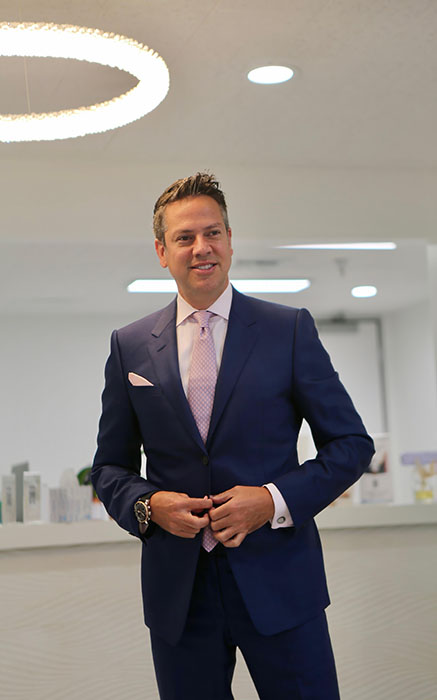
Dr. Keyian Paydar is an award-winning clinical professor and board-certified plastic surgeon with over 20 years of experience. He performs a full spectrum of aesthetic plastic surgery procedures, including breast enhancement, tummy tucks, and liposuction, in addition to face procedures like facelifts, brow lifts, fat injection, and eyelid surgery.

Advanced Technology That Supports Faster Healing
Innovations in recovery technology are helping patients heal more efficiently than ever before. Dr. Paydar uses ELIXIR MD™, a photobiomodulation treatment that stimulates your body’s natural healing processes. Photobiomodulation is a non-invasive, non-thermal light therapy that uses targeted light energy delivered at specific wavelengths into your tissues. It is designed to support your body at a cellular level, and some of the many benefits include:
- Better cellular activity and repair
- Enhanced circulation to treated areas
- Reduced inflammation
- Faster tissue recovery
When used as part of a comprehensive recovery plan, technologies like ELIXIR MD™ can complement traditional post-surgery care to help optimize your healing experience.
Gradual Return to Exercise and Normal Activity
While rest is essential to the healing process after plastic surgery, movement also plays a critical role in your recovery. The key is finding the right balance. Gentle movement after your cosmetic procedure can help:
- Encourage healthy circulation
- Reduce the risk of complications (such as blood clots)
- Boost lymphatic function
- Help maintain muscle tone and mobility
Although the timeline for a safe return to activity varies depending on the procedure you undergo and your individual healing abilities, in general, your progression may look like this:
- First few days after surgery: Short, slow walks around your home to promote healthy circulation
- First 1–2 weeks: Gradual increase in daily activity, but still prioritizing rest
- Weeks 3–4: Reintroduction of light, low-impact movement (as long as it is approved by Dr. Paydar)
- Weeks 5–8: Return to more strenuous exercise routines and activities (again, pending approval by Dr. Paydar)
While the recovery time required after cosmetic surgery may seem long, it’s important to be patient. Pushing yourself too far too soon can slow healing, lead to complications, or impact your results, which is why it is essential to closely follow Dr. Paydar’s aftercare guidelines.
Supporting Your Body’s Natural Healing Processes
Even when the most advanced surgical techniques and recovery tools are used, your body is ultimately responsible for how fast it heals after your cosmetic surgery. What you do during your recovery can significantly affect how effectively you recover, and, ultimately, the quality of your final results. Ways to support your body as it heals include:
Nutrition
Your body needs the right building blocks to repair tissue. A balanced diet rich in protein, vitamins, and minerals supports regeneration and recovery.
Hydration
Staying well-hydrated helps encourage circulation, flush out toxins, and reduce swelling.
Sleep
Quality sleep allows your body to focus its energy on healing. In fact, much of your body’s repair process occurs while you sleep.
Following Dr. Paydar’s Instructions
Carefully adhering to Dr. Paydar’s postoperative guidelines is one of the most important factors in a safe, successful recovery. This includes:
- Taking medications as directed
- Wearing compression garments as instructed
- Attending follow-up appointments
- Avoiding restricted activities
Learn More About Rapid Recovery From Cosmetic Surgery in Newport Beach
When it comes to plastic surgery, your recovery experience is as important as your results. If you’re considering cosmetic surgery, it’s time to schedule a consultation with board-certified plastic surgeon Dr. Keyian Paydar. Besides exploring your options for procedures that can boost your confidence and enhance your silhouette, you’ll discover how advanced surgical techniques and modern recovery protocols can support faster, more comfortable healing.
To make an appointment, call our office today at (949) 755-0575 or complete the online contact form.